Micro Homesteading for Beginners: Your Complete Guide to Small-Space Self-Sufficiency

Hey there! I’m so glad you’re here. I’ve been knee-deep in micro homesteading for years now, starting with just a tiny backyard in the suburbs. No land? No problem. Micro homesteading changed everything for me—it turned my concrete patch into a food factory and stress-buster.

If you’re feeling overwhelmed by big homestead dreams but stuck with limited space, this guide is your roadmap. We’ll cover what it really is, why it rocks, space needs, must-have skills, and starter projects you can tackle this weekend. Let’s turn “I wish” into “I did.”

What Is Micro Homesteading?

Micro homesteading is self-sufficiency on a small scale. Think backyard chickens, container veggies, and rainwater tricks—all without acres of land. I started mine on a 500-square-foot lot. No farm required.

It’s perfect for city apartments, suburban yards, or even balconies. We’re talking practical independence: growing food, raising eggs, preserving harvests. Not total off-grid survival, but real progress toward relying less on grocery stores.

I’ve seen folks thrive in townhouses. It’s about working smart with what you’ve got. Sustainable living, one pot at a time.

Why Micro Homesteading Changed My Life (And Could Change Yours)

The benefits hit me fast. First, fresh food. My first cherry tomatoes tasted like summer exploded in my mouth. Healthier eating without the drive to the store.

Money savings add up. I slashed my grocery bill by 30% in year one. Eggs from my quail? Pennies compared to store prices.

Mental perks are huge. Gardening quiets the noise. During tough weeks, tending plants felt like therapy. Community too—I swapped seeds with neighbors.

Environmentally, it’s gold. Less waste, more pollinators. I cut plastic packaging and felt good about it. Plus, it’s beginner-proof. Start small, scale as you learn.

Space Requirements: How Little Do You Really Need?

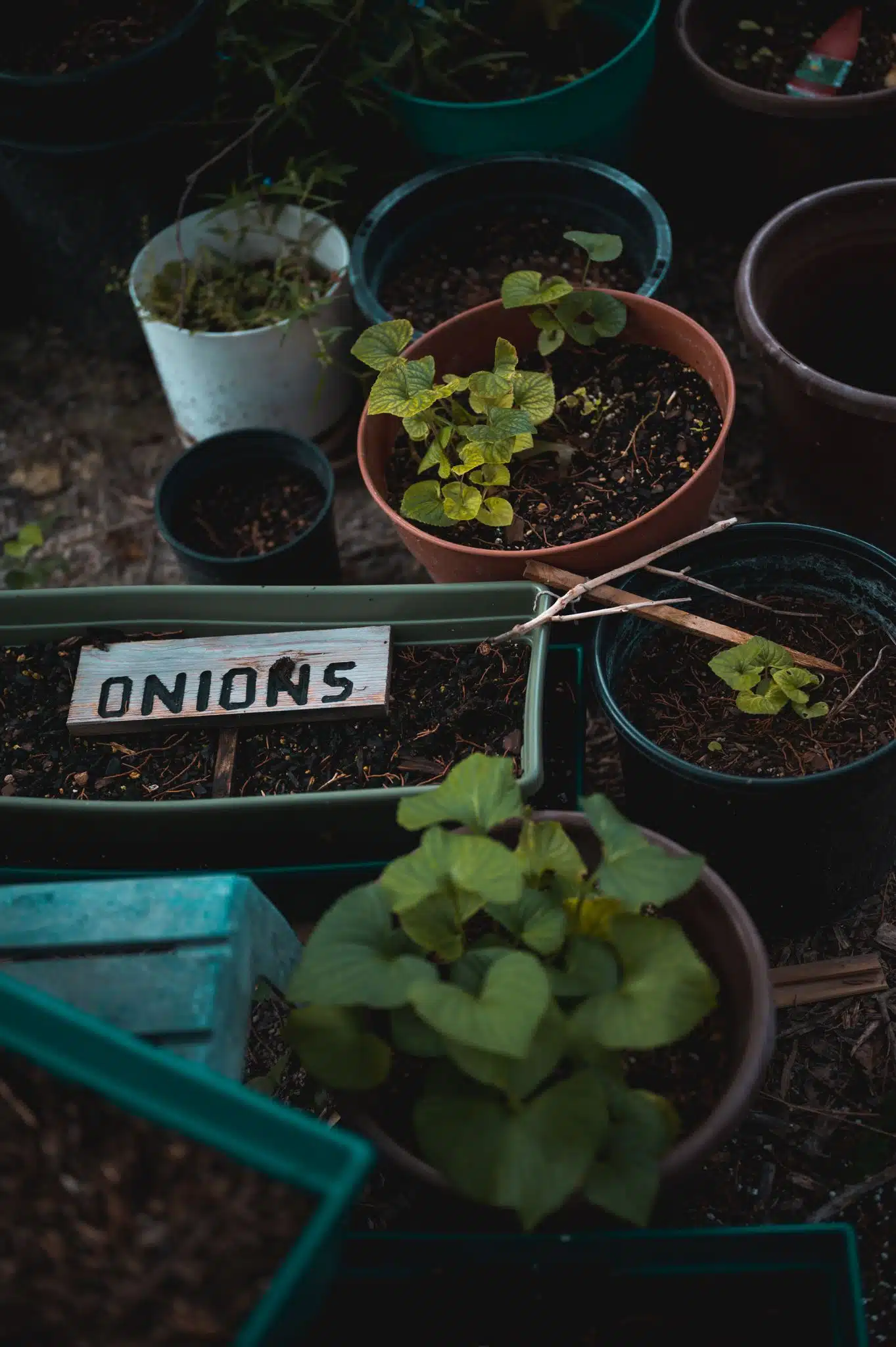
You don’t need a farm. I kicked off with 100 square feet. That’s it. Balcony gardeners succeed with 20 square feet of pots.

Break it down:

  • Veggies: 4×4 raised bed or 10 containers.
  • Chickens/quail: 4×4 coop/run.
  • Compost: One corner bin.

Measure your spot. South-facing sun? Ideal. Partial shade works for greens. Apartments? Vertical planters climb walls.

Hawaii folks like me adapt easily—tropical vibes mean year-round growing. Rule of thumb: Start with what fits now. Expand later.

Essential Skills Every Micro Homesteader Needs

Don’t worry, no PhD required. I learned these by trial (and plenty of error).

Soil Basics: Healthy dirt = thriving plants. Mix compost into cheap potting soil. Test pH with strips—aim for 6-7.

Watering Wisdom: Deep and infrequent beats daily sprinkles. Mulch holds moisture. I use drip bottles from recycled jugs.

Pest Patrol: Neem oil for bugs. Companion planting—marigolds next to tomatoes. Hand-pick aphids; it’s satisfying.

Plant Know-How: Succession sow for steady harvests. Know your zone (Hawaii? 10-12). Prune for bushier growth.

Animal smarts: Clean coops weekly. Watch for stress signs. Quail are forgiving for newbies.

Practice one skill per project. You’ll master them quickly.

Your First Micro Homesteading Projects: Step-by-Step

Ready to dive in? These six projects build skills fast. I’ve done them all—here’s exactly how.

Project 1: Container Herb Garden

Why start here? Herbs grow anywhere and flavor meals instantly.

Materials: Pots, soil, seeds (basil, mint, oregano).

  1. Fill pots with soil-compost mix.
  2. Plant 2-3 seeds per pot, 1/4 inch deep.
  3. Water gently; place in the sun.
  4. Harvest tops at 6 inches—promotes bushiness.

Yield: Fresh pesto weekly. Cost: Under $20.

Project 2: Windowsill Sprouts

Super easy, nutrient-packed.

  1. Jar + cheesecloth + seeds (alfalfa, broccoli).
  2. Soak overnight, drain, rinse twice daily.
  3. Ready in 5 days. Toss on salads.

I eat these daily. No soil needed.

Project 3: DIY Seedling Station

Start seeds indoors cheap.

  1. Egg cartons + soil.
  2. Poke drainage holes.
  3. Sow, cover lightly, mist.
  4. Transplant at true leaves.

Grows tomatoes, peppers. My balcony babies.

Project 4: Worm Compost Bin

Black gold from scraps.

  1. Plastic bin, bedding (shredded paper), 1/2 lb red wigglers.
  2. Bury kitchen scraps (no meat).
  3. Harvest castings in 3 months.

Feeds all my plants. Odor-free.

Project 5: Vertical Strawberry Planter

Space-saver fruit.

  1. PVC pipe or gutters, hung vertical.
  2. Fill with soil, plant runners.
  3. Water from the top.

Ever-bearing varieties fruit fast. Sweet rewards.

Project 6: Micro Greenhouse from Plastic Bottles

Extend your season.

  1. Cut 2-liter bottles in half.
  2. Fill the bottom with soil, plant, and cap the top.
  3. Mini cloches for seedlings.

Protects from birds and bugs. Genius hack.

How to Start a Micro Homestead on 1/4 Acre or Less

Link to [cluster post: How to Start a Micro Homestead on 1/4 Acre or Less].

10 Easy Projects for Newbies

Dive deeper in [cluster post: 10 Micro Homesteading Projects for Absolute Beginners].

Micro vs. Traditional: What’s the Diff?

Compare in [cluster post: Micro Homesteading vs Traditional Homesteading: Key Differences].

Must-Have Starter Tools

Gear up via [cluster post: Essential Tools for Your First Micro Homestead].

Budget Bootstrap Under $200

Penny-wise tips at [cluster post: Micro Homesteading on a Budget: Start for Under $200].

Urban or Suburban: Pick Your Path

Decide with [cluster post: Urban vs Suburban Micro Homesteading: Which Is Right for You?].

Common Beginner Mistakes (And How I Fixed Them)

I overwatered everything in the first month. Plants drowned. Lesson: Finger in soil—if dry 2 inches down, water.

Crowded pots killed seedlings. Space ’em out. Quail escaped once—double-check latches.

Patience is key. Slow growth? Normal. Adjust, learn, repeat.

Scaling Up: From Micro to Mini-Farm

Once comfy, add layers. Chickens after herbs. Rain barrels post-garden. Track wins in a journal.

Hawaii twist: Mango pits sprout easily. Taro in tubs. Local swaps build community.

Your Next Step

Grab three pots, soil, and basil seeds today. Plant ’em tomorrow morning. Snap a before photo—you’ll love the after.