Portable Solar Panels for Camping, RVs, and Emergencies: Simple Guide
Learn how to choose, size, and use portable solar panels for camping, RVs, and emergency backup—plus real-life tips, and example setups. With the rise of portable solar panels for camping, it’s easier than ever to power your devices while enjoying nature.
As you plan your next adventure, don’t forget about portable solar panels for camping as a reliable power solution.
I still remember the first time I dragged a little “solar kit” to a campsite.
I thought I was a genius… right up until the panel spent most of the day in the shade, my phone barely charged, and my lantern died halfway through a card game.
Portable solar panels for camping are a game changer, allowing you to charge your gadgets and keep the lights on during your outdoor adventures.
If you’ve ever wondered:
- “What size portable solar panel do I really need?”
- “Can this thing actually run my fridge or just my phone?”
- “Is it strong enough for emergencies, or is it just a toy?”
…this post is for you.
Think of this as the hand-holding, no-math-degree-needed guide to portable solar for camping, RVs, and power outages at home.
TL;DR Snapshot
If you only read one thing, make it this:
- For weekend camping (phones, lights, small fan):
Start with a 100W folding solar panel + a 300–500Wh power station. - For RVs/vanlife (lights, fridge, devices):
Aim for 200–400W of portable panels + a 1,000Wh+ power station or house battery. - For emergencies at home (phones, lights, small devices):
Plan on 200W+ of panels + 500–1,000Wh of storage as a “keep the basics alive” kit. - Portable solar is great for small stuff and quiet backup.
It’s not a magic “power my whole house forever” solution.
You can absolutely start small, learn as you go, and grow your kit over time.
Skim-Stopper Box: Super-Quick Answers
Q: Can a portable solar panel power my whole RV or house?
A: Usually no. Portable panels are better for charging a battery that runs small stuff (lights, phones, fans, maybe a small fridge).
Q: What size panel should I get for camping?
A: Most people are happy with a folding 100W panel + 300–500Wh power station.
Q: How do I know if it’s big enough?
A: Add up what you want to run in a day (in watt-hours), then make sure your battery stores that much and your panel can refill most of that on a sunny day. I’ll walk through this step by step below.
Q: Is portable solar worth it for emergencies?
A: If you want quiet power for phones, lights, radios, and medical devices, yes. It’s not a whole-house solution, but it can make outages a lot less stressful.
1. What Counts as “Portable Solar”?
For long trips, consider investing in high-capacity portable solar panels for camping.
When I say portable solar, I’m talking about:
- Folding/briefcase panels
- Panels that fold up like a suitcase with a handle.
- Often 60W, 100W, 200W, etc.
- Great for camping and RVs.
- Flexible or roll-up panels
- Lighter, sometimes less durable.
- It can be strapped to a backpack, tent, or RV roof.
- Portable “solar generator” or power station + panel
- The “box” with outlets is actually a battery with an inverter.
- The portable panel plugs in to charge the battery.
- Nice all-in-one option for non-techy folks.
- Tiny trickle chargers (5–20W)
- Good for keeping a car battery topped off or slowly charging a phone.
- Not enough if you want to run multiple devices daily.
Portable solar panels for camping have revolutionized the way we think about outdoor power solutions.
With portable solar panels for camping, you can ensure that your essential devices stay operational even in remote areas.
The important thing to remember:
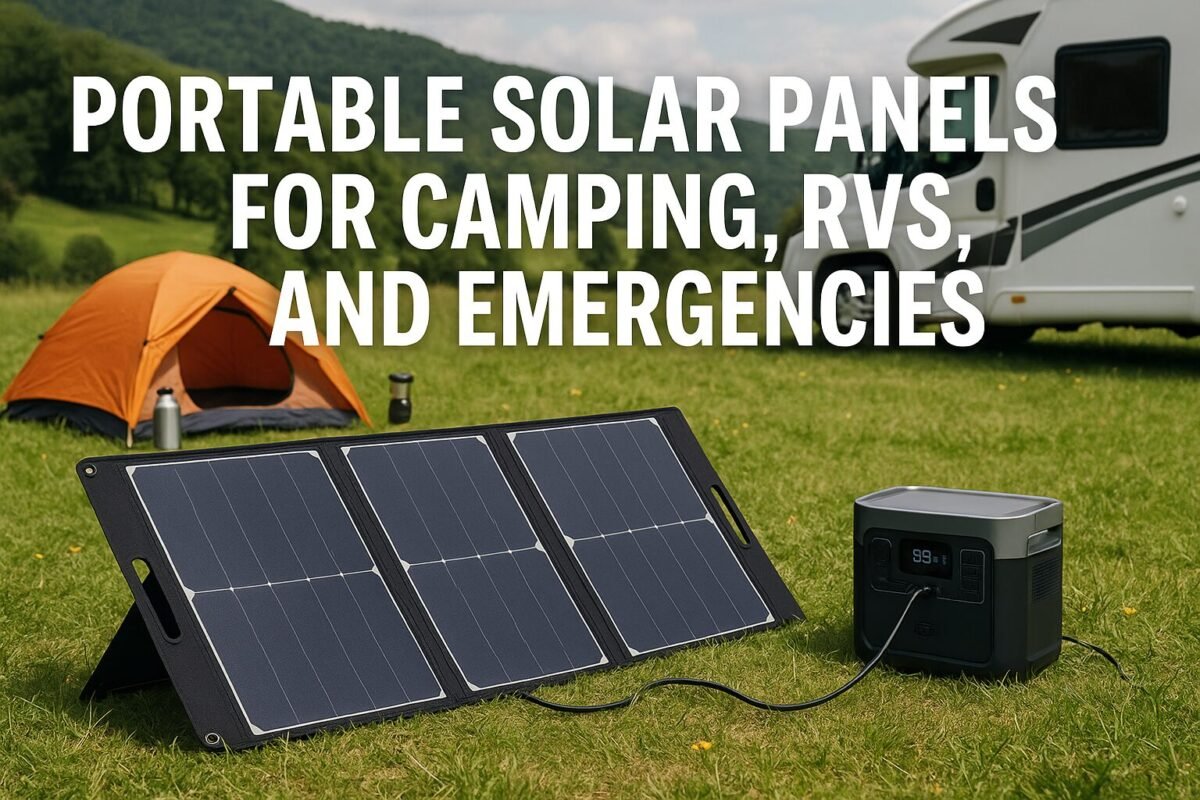
Portable panels charge a battery. The battery actually runs your stuff.
You’ll see panels and power stations sold together as kits, but you can also mix and match.
If you’re brand new to solar in general, it might help to quickly scan a beginner’s guide first, then hop back here:
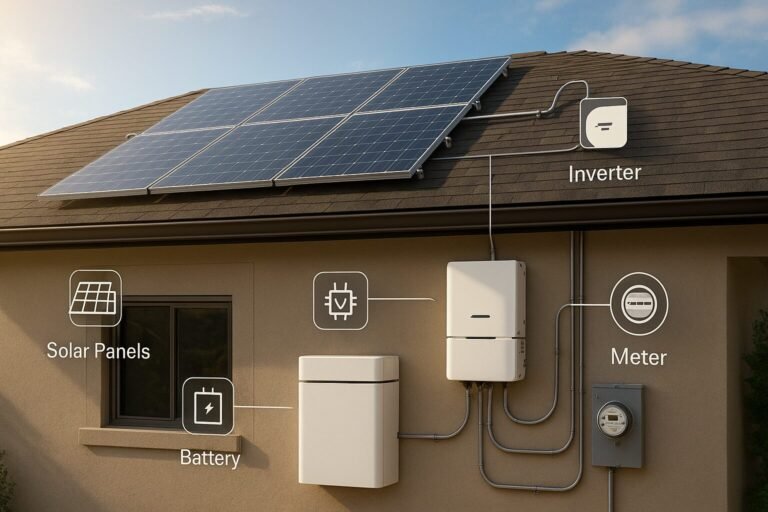
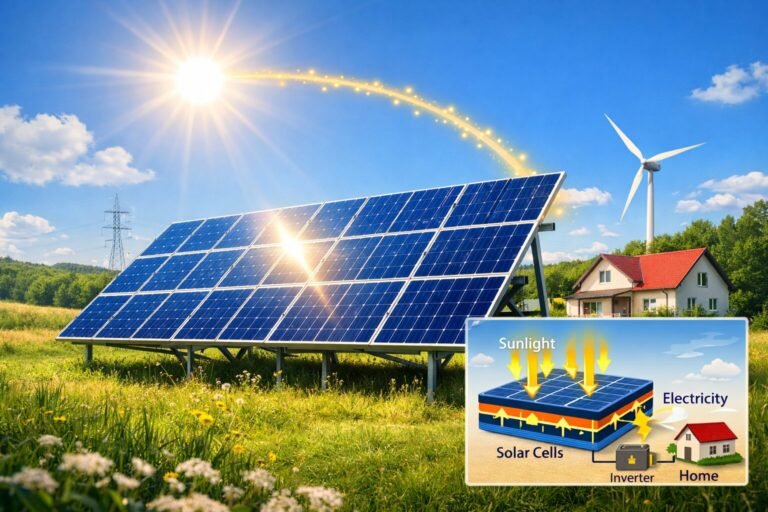
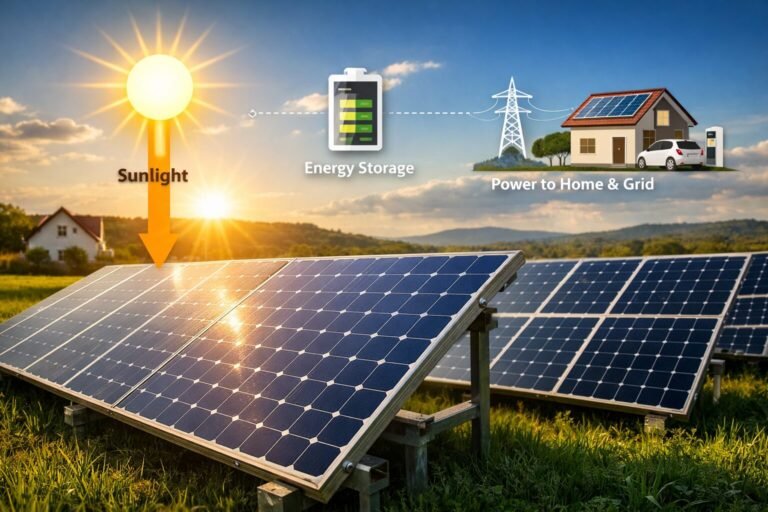
👉 How Solar Works (Beginner Guide)
Portable Solar Panels for Camping: A Quick Overview
2. Step-by-Step: How to Size a Portable Solar Setup (No Math Degree Needed)
Let’s walk through this like we’re planning a weekend camping trip.
Step 1: Decide what you want to power
Make a simple list. For example:
- 2 phones
- 1 LED lantern
- 1 small USB fan at night
- Maybe a tablet or small laptop for a movie
Step 2: Find the “watts” and “hours”
You don’t need perfect numbers. Close is fine.
- Phone: ~10W while charging, maybe 10–20Wh per full charge
- LED lantern: ~5–10W
- Small USB fan: ~5W
- Tablet/laptop: 20–60W depending on size
Now guess how long you’ll use each per day:
- Phones: 2 full charges per day, total → 40Wh
- Lantern: 5W × 4 hours → 20Wh
- Fan: 5W × 8 hours → 40Wh
- Tablet: 30W × 2 hours → 60Wh
Add them up:
- 40 + 20 + 40 + 60 = 160Wh per day
Let’s pad it a bit for “real life” → call it 200Wh per day.
Step 3: Choose your battery (power station size)
Your battery or power station is rated in Wh (watt-hours).
- For 200Wh/day, a 300–500Wh power station is perfect:
- Enough room for cloudy moments and “oops” usage.
- You won’t have to baby every single watt.
Step 4: Size your solar panel
Remember, portable solar panels for camping are not just a luxury; they can be essential for a smooth trip.
Your panel’s job is to refill the battery each day.
Very rough but practical rule of thumb:
Daily energy from panel ≈ Panel watts × 4 hours × 0.6 (real-world fudge factor)
That 0.6 accounts for shade, heat, imperfect aim, etc.
Example with a 100W panel:
- 100W × 4h × 0.6 ≈ 240Wh per sunny day
Perfect. That matches our 200Wh/day target with a bit of cushion.
So, for our simple camping example:
- Battery: 300–500Wh
- Panel: 100W folding panel
When selecting your portable solar panels for camping, consider the wattage and the type of devices you’ll be using.
This is why I say:
For most weekend campers, 100W panel + 300–500Wh power station feels “just right.”
3. Quick Starter Setups (Camping, RV, and Emergencies)
Here are some simple starting points. You can tweak up or down.
A. Lightweight Hiking / Minimalist Camping
You want: phone, headlamp, maybe a tiny fan.
- Panel: 20–40W lightweight or foldable panel
- Battery: 100–200Wh power bank/power station
- Use case: Backpacking, bikepacking, or ultralight car camping.
You’ll be watching the weather and your usage a bit more closely, but it’s doable.
B. Car / Tent Camping (Most Common Scenario)
You want: phones, lanterns, a fan, maybe a tablet/laptop.
- Panel: 80–120W folding panel
- Battery: 300–500Wh power station
- What it can realistically do:
- Phones, lights, fans, and small gadgets daily.
- Occasional use of a small laptop or mini-projector.
- You’ll notice cloudy days, but you’re mostly comfortable.
C. Small RV / Van Boondocking
You want: lights, fans, water pump, fridge, devices.
- Panel: 200–400W (two 100W suitcases or one bigger folding panel array)
- Battery: 1,000–2,000Wh power station or RV house battery bank
- What it can realistically do:
- Run a 12V fridge reliably in decent weather.
- Run LED lights, fans, devices, and small electronics.
- Still not enough for A/C or electric heaters.
This is where portable solar starts to blend into “small off-grid system” territory. If you’re going this route, you might also like:
👉 What Affects Solar Panel Efficiency? Real-World Factors, Fixes, and Easy Wins
D. Emergency Home Backup (Phones, Lights, Basic Comfort)
You want: phones, lights, a radio, maybe Wi-Fi, and a small fan or a small fridge.
- Panel: 200–400W portable solar (folding panels you can set outside)
- Battery: 500–1,000Wh power station (or bigger if budget allows)
- What it can realistically do:
- Keep phones and small devices powered indefinitely in decent weather.
- Run LED lights, fans, and radio very comfortably.
- Maybe keep a small fridge or chest freezer going if you’re careful and turn it off at night.
This is not a whole-house solution—but it can turn a stressful outage into an inconvenience instead of an emergency.
4. How to Set Up Portable Solar in Real Life (Simple Walkthrough)
Here’s what setup actually looks like in camp or at home.
Step 1: Pick a sunny spot
- Set the panel where it will get the most sun between late morning and mid-afternoon.
- Avoid:
- Trees and branches
- RV antennas
- Shadows from buildings
Even a little shade on part of the panel can seriously hurt output.
Step 2: Aim the panel at the sun
You don’t have to be perfect.
- In the middle of the day:
- Tilt the panel like a propped-up book, facing the sun.
- If your shadow is short and right in front of the panel, you’re in the ballpark.
- If you don’t want to babysit it, aim it for midday and leave it.
Step 3: Plug into your power station or charge controller
- All-in-one power station:
- Plug the panel’s cable into the “solar input” or “DC input” port.
- The screen should show incoming watts.
- DIY battery + charge controller:
- Panel → charge controller → battery → (optional inverter) → devices.
- Follow the controller’s diagram exactly; polarity matters.
Step 4: Keep batteries cool and dry
Battery/Power Station:
- Likes shade, not full sun
- Hates rain puddles and dust
- Should sit:
- Under a table
- Inside the tent/RV (where it won’t overheat)
- Under a tarp/canopy (well ventilated)
Your panel is okay with the sun. Your battery usually isn’t.
Many campers find success with portable solar panels for camping, especially when combined with a good battery.
Step 5: Use your devices sensibly
When the sun is shining, and the battery is full:
- Charge power-hungry things (laptop, power tools, etc.).
When it’s dark or cloudy: - Prioritize essentials: lights, phones, fans, radios, and medical devices.
You don’t have to be perfect—just a bit mindful.
5. Portable Solar vs Gas Generator vs Just Using Your Car
You might be wondering, “Why not just run a little gas generator or idle the car?”
Portable Solar: Pros & Cons
Pros
- Quiet
- No fuel to store
- No fumes
- Great for campsites with noise rules
- Very low ongoing cost once you buy it
Opting for portable solar panels for camping means you’re equipped for any situation outdoors.
Cons
- Depends on the weather and daylight
- Limited power (no big heaters or A/C)
- Needs a battery if you want power at night
For most campers, portable solar panels for camping provide the perfect balance of convenience and functionality.
Gas Generator: Pros & Cons
Pros
- Lots of power for size
- Can run energy-hungry gadgets if sized correctly
Cons
- Noise
- Fumes (not safe indoors)
- Need fuel, maintenance, and safe storage
- Often not allowed or welcome in peaceful campgrounds
Idling Your Car: Pros & Cons
Pros
- Uses what you already have
- An alternator can charge a battery or power a small inverter
Cons
- Wastes fuel
- Adds wear to your engine
- Not great in enclosed spaces
- Still noisy and smelly compared to solar
For many micro-homesteaders, the sweet spot is:
Portable solar for everyday + mild emergencies, generator or grid for the “big stuff.”
6. Common Mistakes (and Easy Fixes)
I’ve either made these mistakes myself or watched friends make them.
#1: Buying a tiny panel for big expectations
- A 20W panel will not keep a big power station filled while running a fridge and fans.
- Fix: Match panel watts and battery Wh to your actual daily needs (Section 2).
#2: Leaving the panel flat on the ground or table
- Panels lying flat often get less sun and more shade.
- Fix: Prop the panel up and aim it at the sun—your output can jump a lot.
#3: Letting cords run through high-traffic areas
Many outdoor enthusiasts rely on portable solar panels for camping to keep their devices charged during trips.
- Trip hazards + potential damage.
- Fix: Route cords along the edge of the campsite/RV, tape them down, or run them under the RV.
#4: Expecting the panel’s “nameplate” watts in real life
- A 100W panel rarely gives 100W.
- Heat, clouds, and angle all cut output.
- Fix: Use a “real-world” factor (0.6-ish) when planning.
If you want to nerd out on this part a little more (without going full engineer), this post goes deeper:
👉 What Affects Solar Panel Efficiency? Real-World Factors, Fixes, and Easy Wins
Mistake 5: Thinking portable solar can power everything
- Portable panels are fantastic for small loads.
- They are not meant for:
- Air conditioners
- Electric heaters
- Electric stoves
- Big well pumps (unless you build a serious system)
Fix: Use portable solar as a quiet, clean “small power” solution, not a total grid replacement.
7. Simple Checklists (So You Don’t Have to Rethink This Every Time)
Camping Checklist (Weekend Trip)
- 80–120W folding panel
- 300–500Wh power station
- Extension cable for panel (if needed)
- Shade spot for the battery (under table, inside tent/RV)
- USB lanterns/headlamps
- Small USB fan if it’s hot
- Short, good-quality USB cables (less mess, less loss)
RV / Van Checklist
- 200–400W worth of portable panels
- 1,000–2,000Wh power station or house battery bank
- MC4 or other connector adapters (if mixing brands)
- Mounting straps or stands for panels
- Fuse or breaker protection as recommended by the manufacturer
- Cable management: hooks, clips, or tape
Emergency Backup Checklist (Home)
- 200–400W panels that can be set up quickly
- 500–1,000Wh power station
- List of “critical loads” (phones, lights, radio, medical devices, Wi-Fi, fan, maybe fridge)
- Dedicate a spot near a window or door to run the panel cable inside
- Small box/tote with:
- Flashlights
- Extension cord
- Power strip
- Radio
- Printed instructions for family members
If you’re thinking about building a more permanent home system later, this post pairs nicely with that journey:
👉 The Essentials of Solar Power for Aspiring Microhomesteaders
8. Tiny FAQ (Because Everyone Asks These)
Q: Can I use portable panels to charge my RV’s main batteries?
A: Often yes, but you’ll need the right charge controller and wiring. Some portable kits are designed specifically to plug into RV systems. Always match the voltage and follow the instructions.
Q: What about cloudy days?
A: Portable solar still works, just slower. This is why having a bit of extra battery is so nice—you ride through clouds on stored energy.
Q: Can I leave the panels out in the rain?
A: Many are water-resistant, but always check the manual. The panel might be okay; the connections and battery usually are not. When in doubt, bring them in or cover them.
Q: Do I need an inverter?
A: If you stick to USB and 12V gadgets, you might not.
If you want to use standard wall plugs, either:
- Use a power station (built-in inverter)
- Or add a separate inverter (for advanced DIY setups)
9. Wrapping It Up: Start Small, Learn Fast, Upgrade Later
Portable solar can feel confusing when you’re staring at a wall of numbers and acronyms.
But if you boil it down, it’s really just:
- Figure out what you want to power.
- Choose a battery big enough for a day or two of that.
- Pick a panel (or panels) that can refill that battery on a decent sunny day.
- Set it in the sun, point it roughly at the sky, and start learning.
You don’t have to get it perfect on day one. Start with a simple camping kit, get hands-on experience, and let that teach you what you really want for your RV or emergency setup.
Investing in portable solar panels for camping not only enhances your experience but also ensures you have power when you need it most.
By using portable solar panels for camping, you can enjoy a more sustainable way to power your adventures.
There are numerous options for portable solar panels for camping that cater to different power needs.
Choosing the right portable solar panels for camping can make a significant difference in your outdoor experience.
For frequent campers, portable solar panels for camping are an essential investment.
Complement your adventure with portable solar panels for camping that fit your lifestyle and needs.
For those who love nature, portable solar panels for camping can provide a reliable power source anywhere.
With the advancements in technology, portable solar panels for camping are more efficient than ever.
Portable solar panels for camping allow you to enjoy modern conveniences without sacrificing your love for the outdoors.
Keep your devices powered with portable solar panels for camping, making your outdoor experiences more enjoyable.
Explore your options for portable solar panels for camping to find the best fit for your needs.
Don’t underestimate the capabilities of portable solar panels for camping; they can significantly enhance your outdoor experience.
Utilize portable solar panels for camping to ensure you have the power you need on your next trip.